
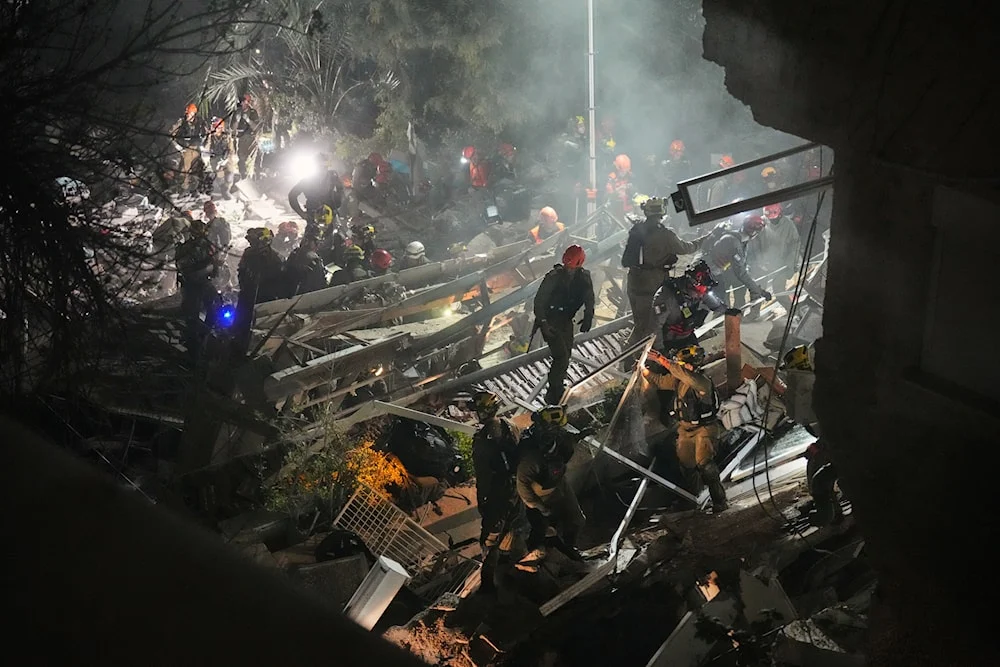
The Israeli Finance Ministry has estimated that the wars on Iran and Lebanon have cost "Israel" approximately $17.5 billion over the past 40 days, Anadolu reported on Thursday, citing Israeli Channel 12.
Direct military expenditures are estimated at around 40 billion shekels ($12.9 billion), while civilian costs, including compensation to affected businesses and local authorities, are projected at 13–14 billion shekels ($4.2–4.5 billion), bringing the total to roughly 54 billion shekels ($17.5 billion).
The figures are preliminary and expected to be updated, with the Ministry noting that they do not account for future reconstruction costs or economic losses from the partial shutdown of the economy during the war.
To bolster defense spending, the Finance Ministry has set aside an additional 7 billion shekels ($2.3 billion), raising total military expenditures to around 40 billion shekels ($12.9 billion). Military spending covers weapons, flight hours, reserve soldiers’ service days, and damage incurred.
The Ministry also estimated compensation under property tax at 12–13 billion shekels ($3.8–4.2 billion), which will cover expected payments to businesses affected by reduced activity during the war. Another 1 billion shekels (approximately $324 million) is earmarked for unpaid leave schemes for workers unable to attend work and for local authorities.
As of Thursday morning, the compensation fund had received 28,237 claims for direct property damage. This includes 18,408 claims for buildings, 2,594 for equipment, and 6,617 for vehicles. The highest number of claims came from Tel Aviv (around 5,100), Bir al-Sabe' (3,600), Arad (2,350), Petah Tikva (2,000), Dimona (1,500), and Beit Shemesh (1,400).
'Israel's' continuous wars strain its economy
"Israel’s" latest estimate of roughly $17.5 billion for 40 days of war on Iran and Lebanon demonstrates a growing strain on the entity's economy. The cost follows the 2024 wars on Gaza and Lebanon, which together reached about $31 billion, pushing war spending far above budgeted levels and contributing to a widening deficit.
Even short wars have left a mark: the 12‑day war on Iran in June 2025 led to GDP losses of around 1%, as economic activity slowed and business operations were disrupted. The cumulative impact of these wars since 2023 now exceeds $100 billion, when direct military spending and indirect costs such as lost productivity and reduced investment are combined.
Beyond military expenses, the repeated wars have affected Israeli households and businesses. Increased defense spending has crowded out public investment, reservists’ mobilization has delayed business plans, and uncertainty has weakened consumer and investor confidence.
Economists warn that if such engagements continue, growth could slow further. Rising borrowing costs, reduced investment, and ongoing uncertainty show that the economic consequences of "Israel’s" conflicts extend far beyond the battlefield, highlighting the high cost of sustained military campaigns.
Source:Websites