The economic consequences of the US-Israeli war on Iran are expected to cost the United States hundreds of billions of dollars, as rising fuel prices, inflation, military spending, and supply chain disruptions place mounting pressure on the American economy, the Financial Times reported.
Economists cited by the newspaper warned that the Trump administration’s estimates of direct military expenses significantly understate the broader long-term damage caused by the war and the ongoing instability in West Asia.
The report highlights growing evidence that the war is fueling inflationary pressures, weakening consumer purchasing power, and deepening structural strains across the US economy.
Military spending and missile depletion intensify costs
According to the report, the Department of War has already spent billions of dollars replenishing missile and air-defense systems consumed during the war. Large quantities of Tomahawk missiles, Patriot interceptors, THAAD systems, and SM-3 interceptors were reportedly used throughout the confrontation, placing additional strain on US military stockpiles and defense budgets.
Analysts warned that rebuilding depleted inventories could take years, while the financial burden of expanded military spending continues to grow amid already rising federal debt obligations.
Harvard professor Linda Bilmes told the newspaper that the publicly announced costs represent “just the tip of the iceberg,” warning that the true economic impact will continue to unfold over time.
Fuel prices surge after Hormuz disruptions
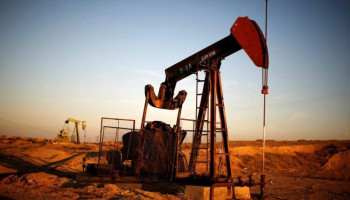
The report identified disruptions in the Strait of Hormuz as a central factor behind soaring fuel prices in the United States.
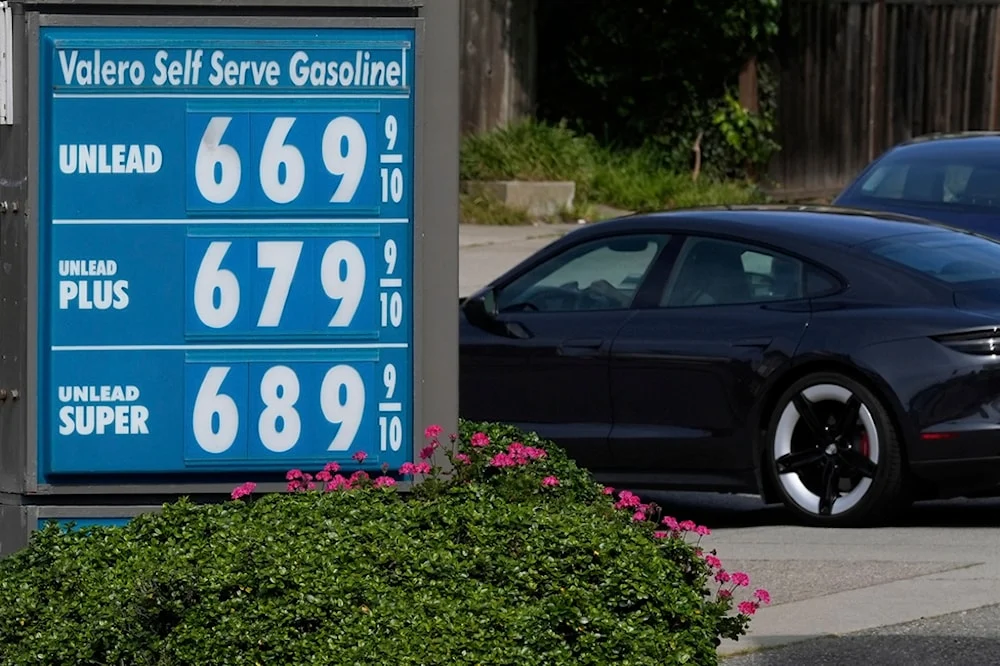
Gasoline prices reportedly jumped more than 50 percent to $4.55 per gallon, while diesel costs approached record highs, increasing pressure on households already struggling with inflation and high living costs. Researchers estimated that American consumers have already paid tens of billions of dollars in additional fuel expenses since the beginning of the war.
According to Brown University’s Watson School of Public Affairs, American consumers had already paid an additional $35 billion in fuel costs since the war began.
“That equates to about $268 per household or about the cost of a week’s groceries,” the report said.
Jeff Colgan, a political science professor at Brown University, told the newspaper: “It screams out what else we could have done with this money if we weren’t wasting it on extra fuel costs associated with a war that most Americans don’t seem to want in the first place.”
Economists noted that lower-income households have been particularly affected, with many reducing fuel consumption or relying more heavily on public transportation and carpooling to manage rising costs.
Inflation and borrowing pressures deepen
The Financial Times report stated that higher energy prices linked to the war have complicated efforts by the Federal Reserve to reduce interest rates. Economists warned that persistently elevated borrowing costs could erase roughly $200 billion in US economic output, further slowing growth and investment.
Mortgage rates have also increased since the start of the war, intensifying pressure on the housing market and limiting affordability for American families.
At the same time, rising debt servicing costs are placing additional strain on federal finances, as interest payments consume a growing share of government spending.
Supply chains and food prices face renewed shock
The war has also intensified pressure on global supply chains, with shipping costs rising sharply amid instability in key maritime routes. Freight rates between Europe and the United States have surged, while disruptions in fuel markets continue to impact transportation and manufacturing sectors worldwide.
Economists additionally warned that higher diesel and fertilizer costs are likely to push food prices even higher in the coming months, worsening inflationary pressures already affecting consumers.
The report described the situation as a “perfect storm” of rising energy costs, supply disruptions, and mounting economic uncertainty driven by the expanding consequences of the US-Israeli war on Iran
Source:Websites