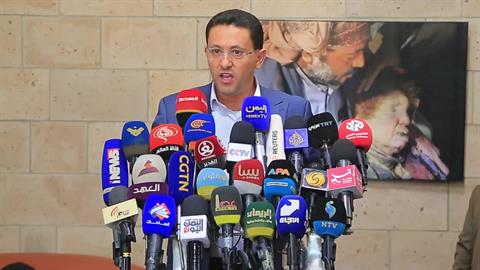
Head of the National Committee for Prisoners and Missing Persons Affairs Abdulqader al-Mortadha announced new details on the largest prisoner exchange deal since the beginning of the US-Saudi aggression, scheduled to be implemented on July 10.
In a press statement on Thursday, al-Mortadha said the deal represents a major political and humanitarian breakthrough, reflecting progress in negotiations and the growing strength of the negotiating position in handling sensitive humanitarian files.
He stated that the exchange will include around 1,700 prisoners and detainees from both sides, including 1,100 prisoners from Sana’a authorities in exchange for 580 prisoners from the Saudi-backed side.
According to al-Mortadha, prisoners from the Ma’rib fronts make up the largest group in the deal with 388 prisoners, followed by 245 prisoners held in Saudi prisons, 200 prisoners from the southern fronts, 186 from the coastal fronts, and 68 from Taiz fronts.
He noted that the agreement covers all fronts without exception, describing it as the broadest exchange operation carried out since the start of the aggression on Yemen.
Al-Mortadha also revealed that around 400 of those set to be released are civilians and detainees who were abducted arbitrarily from roads, airports, workplaces, and homes, rather than captured during military confrontations.
He added that some of the detainees had spent between seven and eight years in prison away from their families, stressing that the deal aims to close a painful humanitarian chapter and pave the way for broader efforts to resolve the prisoners’ issue completely.
Prisoner exchange negotiations between Sana’a authorities and the Saudi-led coalition have continued intermittently through UN-sponsored talks since the early years of the war on Yemen.
Several exchange operations have taken place in recent years, including deals involving hundreds of prisoners from multiple battlefronts, amid ongoing calls to resolve the humanitarian file independently from broader political and military tensions.


