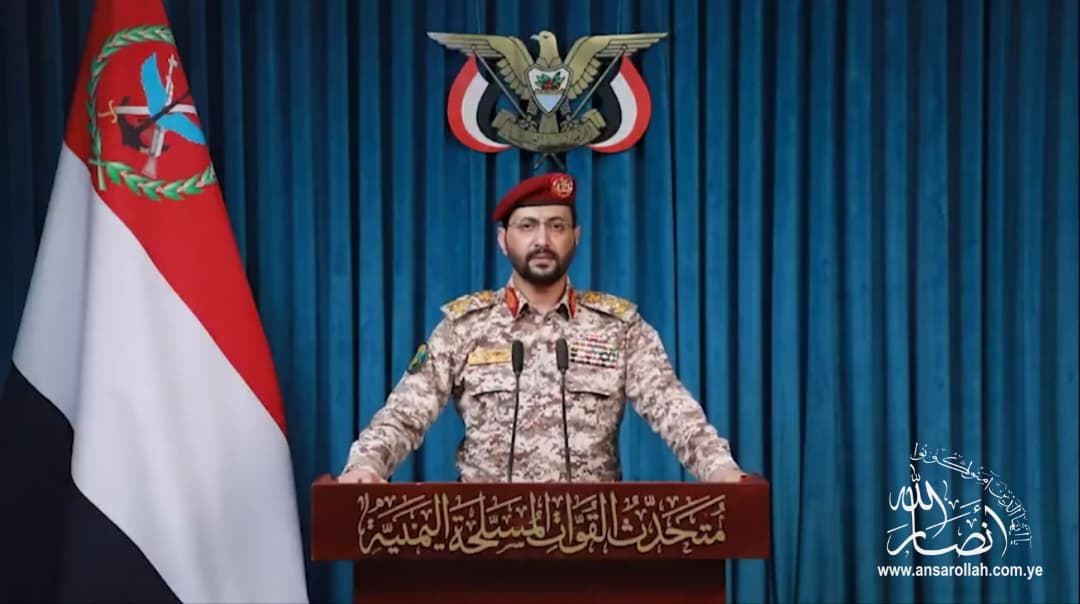
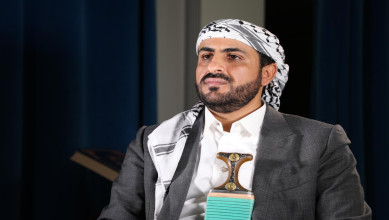
Mohammed Abdulsalam, head of Yemen’s National Delegation, denied claims that Sana'a had rejected negotiations with Saudi Arabia, saying that it had repeatedly sought implementation of the previously agreed roadmap and urgent humanitarian measures.
He affirmed that Riyadh is avoiding its commitments and using economic and humanitarian pressure to force Sana'a into concessions.
Abdulsalam said that Sana'a warned Saudi Arabia before its July 13, 2026, attack on Sana'a International Airport, which ended the truce and de-escalation.
He pointed out that Oman later proposed a five-day truce to facilitate negotiations, and Sana'a agreed within three days, conditional on Saudi Arabia addressing humanitarian demands.
According to Abdulsalam, Riyadh responded around 21 days later, while military mobilization and escalation continued on the western coast. He stated that the delay and additional conditions indicated a lack of seriousness about de-escalation.
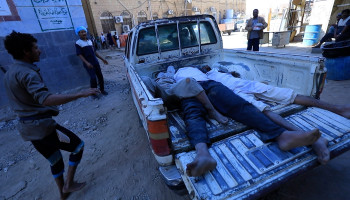
Since March 2015, Saudi Arabia’s military intervention has devastated Yemen’s civilian infrastructure, while airstrikes and restrictions have deepened the humanitarian crisis. Riyadh has persisted in aggression while reneging on peace roadmap commitments.
Yemen’s declared equations—airport-for-airport, blockade-for-blockade, and escalation-for-escalation—warn that Saudi actions will face reciprocal responses until the aggression ends and the blockade is lifted.