Ansarollah Website | Report
From the balcony of absent conscience, with dull eyes and frozen emotions, the world gazes apathetically at the daily desecration of human blood and people’s livelihoods in Yemen, where the Saudi enemy continues to harvest lives without fear of an international community or deterrence by laws.
On March 26, 2015, its aggression began—harsh against all norms, customs, and laws, in broad daylight within earshot of international forums and before the eyes of nations whose ears were deafened and insights blinded. Its warplanes sow death in every valley and mountain, venting their wrath upon a nation that chose to have a free will, proud sovereignty, and a towering head. This raises the question: What is behind this global silence?
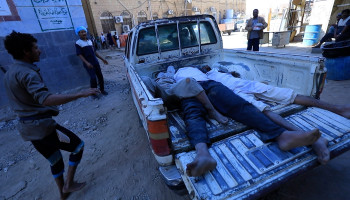
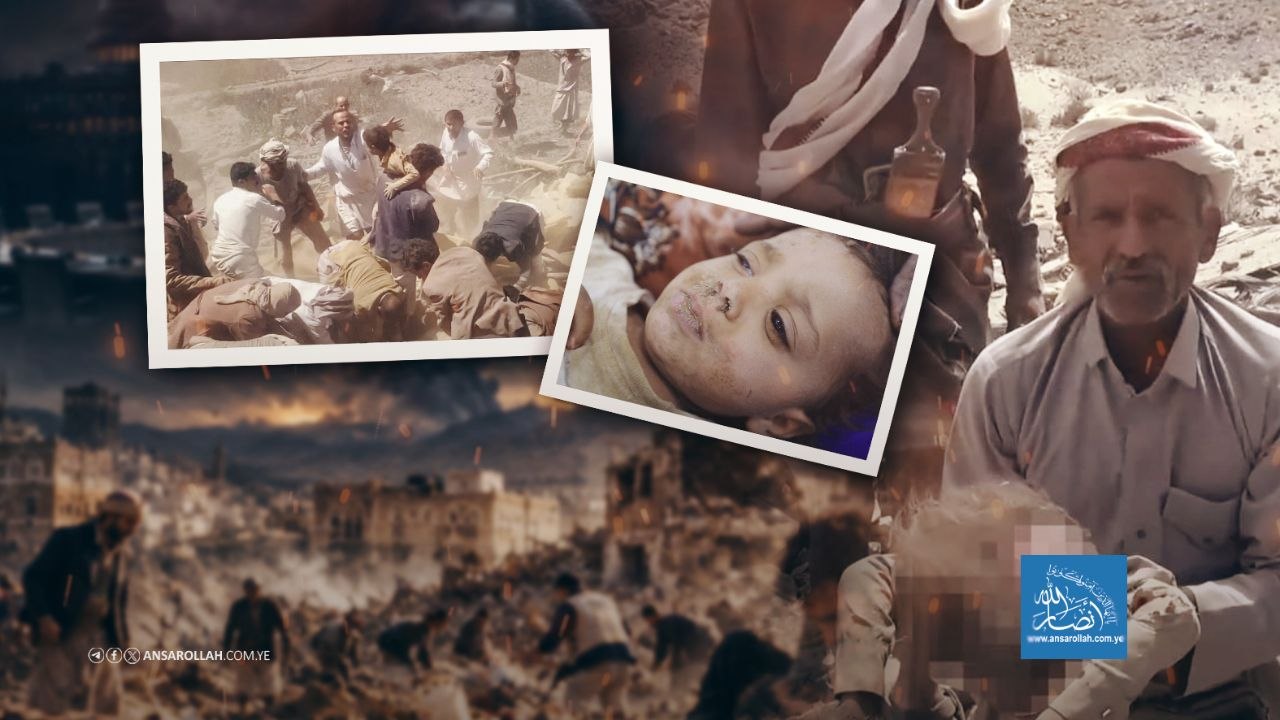
Following the breach of a de-escalation freeze, the aggression returned even more fiercely, as if during four years it had merely been whetting feelings of unjustified malice and hatred against this patient people. Day after day, attacks and airstrikes follow one another without pause or mercy. Bombs and missiles rain down on cities, villages, markets, celebration halls, bridges, and communication networks in an erratic fashion, reaching every inch of the free regions—that defiant geography that refused subjugation and remained resilient against the winds of storm and injustice. Every time a new dawn breaks, the tally of tragedies rises, recording heart-wrenching new figures of martyrs and wounded among women, children, and defenseless civilians.
Neither an Accidental Incident nor an Unintentional Error
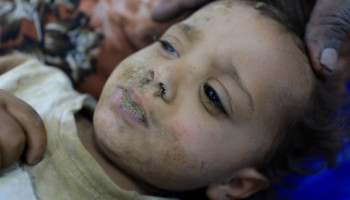
With every tragedy, the groans of grieving mothers and orphans multiply in scenes that curse the death of the human conscience. At the same time, the count of displaced persons rises as they suddenly find themselves without a roof to shelter them or a wall to house them, after missiles and bombs turned their homes into rubble.
The matter is neither a passing incident nor an unintended tactical error; rather, it is an entrenched behavior and a continuous destructive approach confirmed by the course of aggression over twelve years. The airstrikes persist with the same methodology, deliberately bombarding inhabited homes and the infrastructure upon which citizens rely for their daily survival—water networks, power stations, roads, schools, and hospitals—as if the ultimate goal is to erase the markers of life and turn the land into a barren patch that grows only thorns and pain.
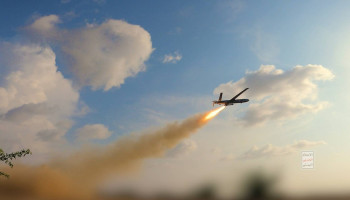
The scene becomes even more painful when the enemy’s behavior emerges stripped of values, sketching regrettable details as it executes its daily destructive cycles, showering the fire of its warplanes, and leaving ruin in every corner, only to then don the cloak of a victim. It raises its voice before international forums, complaining, weeping, and expressing anguish over the retaliatory actions of the Yemeni Armed Forces! Thus, it finds the ears of the international community attentive and listening, as if what is required of the Yemeni people—in this skewed scale—is to stand silently under the bombardment, welcome death with open arms, and refrain even from groaning or raising a hand to fend off the axe from their heads.
Legitimizing Evil and Condemning the Right to Defense
Daily figures surpass a hundred airstrikes. If this systematic killing and destruction behavior were to continue for months and years, not a single conscience in this world would stir, and the international position would remain merely a cinematic spectacle where others content themselves with a spectator’s chair, watching the ongoing bloodshed.
This international hypocrisy stands out even more whenever Yemen moves to defend itself, unsheathing the right to respond guaranteed by all heavenly laws and earthly codes. At that very moment, the world's capitals of decision-making rise in uproar, and officials rush from every direction to distribute statements of denunciation, condemnation, and rejection. It is blatant hypocrisy in its finest form, manifesting a double standard where the executioner is legitimized to practice his evils, while the victim is condemned for exercising the right to self-defense.
This hypocritical world refuses to let Yemen impose a similar blockade on Saudi Arabia, which has imposed a blockade on it since March 2015. The world strongly refuses that Saudi military bases and vital facilities—which supply its military operations with the means to continue practicing genocide and sabotage—be bombed. So what do they expect from a people slaughtered every day? Do they expect them to retreat into themselves and surrender to annihilation? Or do they expect them to respond in kind by targeting densely populated neighborhoods containing innocents and children inside Saudi territory?
Yemen, drawing from the values of its people derived from their religion and authenticity, refuses to sink to this level of baseness and adheres to the highest standards of engagement rules. In its responses, it targets nothing except what is connected to the military effort and warfare of the enemy, staying far away from civilian blood and the sanctity of their homes.
Despite this, the world fails to see this moral discipline, the purity of the means, and the nobility of the Yemeni response, while forgiving the aggressor for all crimes violating the rules of war. Surely, based on that, the world today slaps history in the face with its acute moral bankruptcy and resounding loss of values, discriminating between parties and subjecting operations to double standards while siding with the aggressor carrying out the onslaught.
A Massive Volume of Injustice and Degeneracy
Amidst the evidence of deliberate violations of the honor of confrontation, Saudi Arabia's resort to others to harm and oppress this nation even further stands out. It is continually infatuated with forming coalition after coalition, bringing in powers, mobilizing armies, and gathering allies to target a besieged people and an exhausted land. This very matter—according to experts—is sufficient to shock the conscience of any true human being and awaken them from their deep slumber. Mobilizing nations and instigating powers against a country resisting with a bare chest and an empty stomach proves a massive volume of injustice and shows the extent of degeneracy international politics has reached when the blood and destinies of peoples become mere cards for bargaining, commerce, and false interests.
Added to this are the official statements and declared stances of the chorus of accomplices in Western circles who provide the enemy with full political and diplomatic cover, ignoring humanitarian appeals and international reports documenting the scale of daily tragedy in Yemen.
Despite all this, the voices of the free rise from the heart of suffering, affirming that the logic of brute force will not break the will of a people who have decided to tread the path of freedom until achieving their goal. The continuation of this unjust aggression will only lead to further complication of the regional and international landscape. Yemen has never coveted anyone else's land, but it will never accept having its sovereignty trampled or its decision-making usurped.
The attempts by Saudi Arabia and the international hypocritical system to wrap the aggression in humanitarian objectives no longer fool anyone; all masks have fallen, and the flaws of the UN-resolution community have been exposed—a community that uses double standards, taking "international legitimacies" as a cheap cover to pass projects of hegemony and control. This paradox in the international community's behavior toward Yemeni grievance is vivid evidence of the collapse of humanitarian standards before the dominance of political money and arms deals that stain the hands of transnational corporations with the blood of the innocents.
Constants of Sovereignty and the Nation's Causes
In the details of the economic and living conditions resulting from the aggression and airtight blockade, other chapters of Yemeni suffering intentionally imposed by Saudi Arabia unfold. Continuous aerial bombardment is not enough; it is accompanied by a fierce economic war targeting the citizen's livelihood—from cutting salaries and targeting the currency to preventing the entry of basic goods through ports—in a desperate attempt to subjugate the people and deter them from their steadfast principled positions regarding their sovereignty and the nation's major causes, foremost of which is the Palestinian cause.
Perhaps this organic link between the aggression on Yemen and attempts to deter it from its national and religious role explains many secrets of the ill-fated Saudi coalition and reveals hidden agendas seeking to keep the region hostage to external will and absolute subservience.
A single glance at the UN system and bodies boasting about human rights reveals the extent of falsehood surrounding these institutions, which have never hesitated to sell their positions to the highest bidder. When field reports embarrass the arms of aggression in Yemen and conclusively prove their involvement in killing children and targeting schools and hospitals, we find those institutions succumbing to financial pressures and threats of funding withdrawal, stepping back, amending their reports, and stripping their statements of any real condemning content.
This buying and selling of human blood has stripped the international system of its remaining credibility, confirming to the Yemeni people and the free peoples of the world that rights are not begged at United Nations tables, but rather extracted through steadfastness, effort, and legitimate resistance.
Amidst all these events, societal cohesion in Yemen emerges as a decisive factor in reinforcing resilience and continuity. Despite living hardships and a suffocating blockade, the Yemeni street remains cohesive, believing in the justice of its cause, and realizing that relinquishing dignity means loss and eternal bondage. This deeply rooted popular awareness constitutes the impregnable fortress and primary pillar upon which all plots of division and bets on internal collapse are shattered. Generations inherit this resilience, turning pains and wounds into fuel that nourishes the spirit of rejection and resistance to hegemony, enabling this people to forge a historical epic that will remain etched in the memory of the nation and the world.
The Ultimate Outcome Belongs to the Righteous
History tells us repeatedly—according to the laws of Almighty Allah—that the ultimate outcome belongs to the righteous, and that falsehood, no matter how loud its voice and how numerous its alliances, is bound to vanish. The records of history will remain full of evidence of shame and disgrace that the waters of the seas cannot cleanse nor days erase.
Yemen remains steadfast in the fields of honor, confronting the storm with a chest bare except for certainty and absolute trust in Allah's victory, looking neither for mercy from those who show no mercy nor hoping for sympathy from those who closed their hearts to the groans of children and the pains of mothers. Whoever holds fast to Allah and puts their trust in Him as He ought to be trusted will not be harmed by the plotting of the arrogant, even if all the regions unite against them.
In the decisive revelation is a lesson for every contemplative, as the Almighty says: (And those who have wronged are going to know to what return they will be returned) . This verse remains like a sharp sword before every tyrant and oppressor, reminding them that the wrath of heaven is inevitably coming, and that the consequence of injustice is dire and severe for its perpetrators.
Despite all wounds and pains, Yemen remains eternally towering in the face of tyranny, scripting with the tears and sweat of its sons an epic of resilience that future generations will study as an immortal symbol of human dignity that never sells its principles even if the entire world closes in upon it.