Published: : 3 Dhuʻl-Qiʻdah 1447 AH
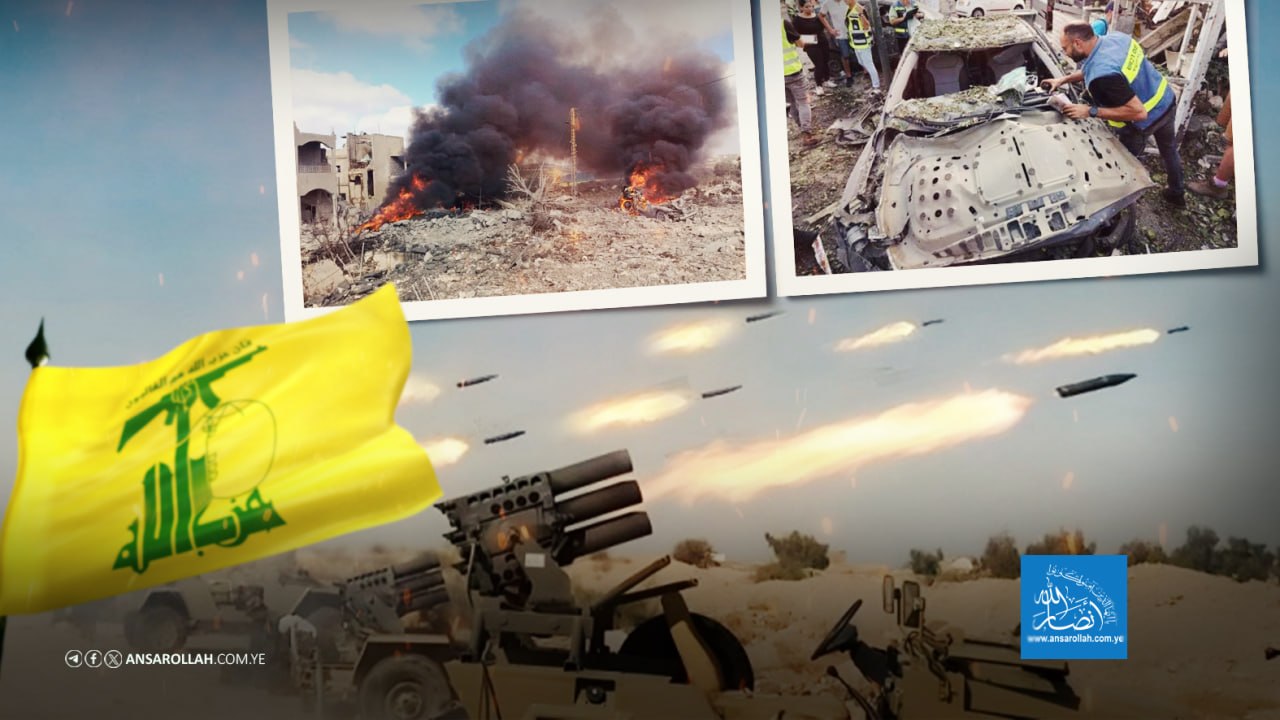
A new declaration of victory has emerged as the Islamic Resistance in Lebanon asserts that it has silenced the Israeli enemy, forcing it into humiliation amid the rubble caused by its own missiles and drones. After 15 months of persistent aggression and repeated violations of a ceasefire agreement by Zionist armed forces, resistance fighters delivered new lessons in steadfast defense of land and sovereignty, while maintaining their refusal to disarm. They further signal that their capabilities remain far from exhausted, warning of consequences that could deeply unsettle Zionist leadership, along with America and its allies.
Since before, during, and after the ceasefire agreement, the resistance has maintained that the international community has never acted fairly toward issues involving Arabs and Muslims—particularly when the Israeli entity is concerned. Throughout successive rounds of conflict, no meaningful support for justice has emerged from the hypocritical global order. As a result, confrontation became, a natural and necessary choice, one grounded in international principles that permit resistance against occupation and aggression.
Pressure Campaigns and Calls for Disarmament
Despite this, the axis of evil, led by America, has attempted to undermine this right by intensifying demands to disarm the resistance. These calls were echoed by allied actors, increasing pressure on Lebanon in an effort to weaken the resistance and shield the Zionist entity from its military capabilities. In response, the resistance has remained firm—continuing to repel Israeli attacks while defending its right to bear arms.
Observers note that such pressures persisted despite the Israeli entity’s repeated violations of agreements. Each perceived act of restraint by the resistance was interpreted as weakness, prompting escalated attacks that targeted civilians and infrastructure, including hospitals, schools, power generators, and water facilities. Meanwhile, the international community continued to emphasize disarmament demands.
Resistance Weapons and Strategic Impact
The resistance’s weapons have not only silenced the Zionist enemy but also exposed the international double standards. No external force has the authority to impose selective interpretations of justice on a population defending its sovereignty and independence.
Zionist leaders, now openly lament the strength of resistance forces. The Zionist entity increasingly frames its earlier calls to disarm groups in Lebanon and Palestine as justified, as it faces growing signs of strategic strain. Resistance strikes have undermined the Zionist entity’s ability to sustain long-term security or maintain its role as a regional guardian of Western interests.
During the current escalation involving Iran, the Lebanese resistance demonstrated capabilities that contradicted the criminal Netanyahu’s assertions that resistance forces had been significantly weakened by prior attacks on Beirut and southern Lebanon. Instead, resistance operations have inflicted substantial damage, forcing the Zionist enemy to seek renewed support from pro-Israel lobbying groups in America.
Internal Lebanese Debate
Within Lebanon, the issue of disarmament has sparked political debate. The government has framed potential moves to disarm the resistance as efforts to reinforce state authority and comply with international expectations. However, critics argue that such rhetoric reflects external pressure rather than genuine national interest, exposing the disconnection between political leadership and the principles of sovereignty and independence.
Hezbollah officials reject calls for disarmament under ongoing occupation and aggression. Mahmoud Qamati, Deputy Head of Hezbollah’s Political Council, warned that Lebanon remains under threat of invasion, stating that it is illogical for a government to demand disarmament while the country faces continuous attacks.
These concerns are compounded by statements from Netanyahu referencing visions of a “Greater Israel,” which exposes the expansionist ambitions that include Lebanese territory.
Ongoing Threats and Strategic Concerns
Analysts argue that aligning with Zionist or American demands will not halt aggression. Instead, they warn that the Zionist enemy's broader strategic objectives— rooted in ideological expansionism—would persist regardless of concessions. Qamati further dismissed promises of international aid tied to disarmament as unrealistic, claiming they serve primarily political objectives.
Zionist officials, including the Zionist "Finance Minister" Bezalel Smotrich, have openly discussed plans to expand control up to the Litani River in southern Lebanon under the pretext of security. Resistance responses to such moves are typically met with intensified Zionist military actions, followed by criticism directed at the resistance.
Simultaneously, Lebanese diplomatic efforts, including proposed negotiations in New York, have drawn criticism for potentially violating constitutional prohibitions against direct engagement with the Zionist entity. Some observers interpret these actions as part of a broader effort to pressure the resistance into disarmament.
The Role of Armed Resistance
Resistance weapons have served as a deterrent, preventing the Zionist entity from extending control over all Lebanese and Palestinian territories. In Lebanon, resistance forces have liberated land and obstructed Israeli ambitions, while in Gaza they have kept the Palestinian case alive on the global stage.
Hamas has emphasized that resistance arms remain essential as long as occupation persists. The late Palestinian leader Fathi Shaqaqi once stated that relinquishing weapons equates to relinquishing Palestine itself.
Historical Lessons and Future Risks
The Sabra and Shatila massacre, which occurred shortly after Palestinian fighters surrendered their weapons. The massacre is evidence of the dangers of relying on international guarantees, noting that no meaningful accountability followed the crime.
Experts warn that a similar scenario could unfold today, disarmament would not only weaken military capabilities but also erode the resistance's ideological foundation. This applies, to both Lebanese and Gazan resistance groups.
Ultimately, armed resistance is not a matter of choice but necessity. Under international law, peoples under foreign occupation have the right to resist by all available means, including armed struggle—making the possession of weapons a legitimate and essential tool for defending land and sovereignty.