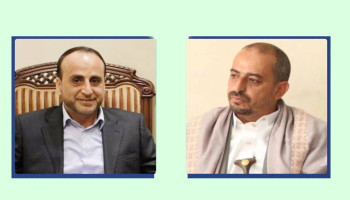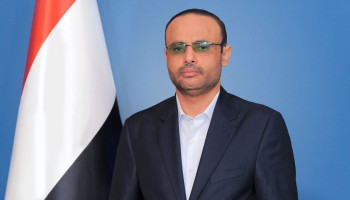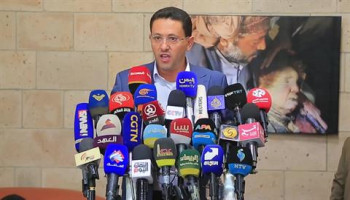
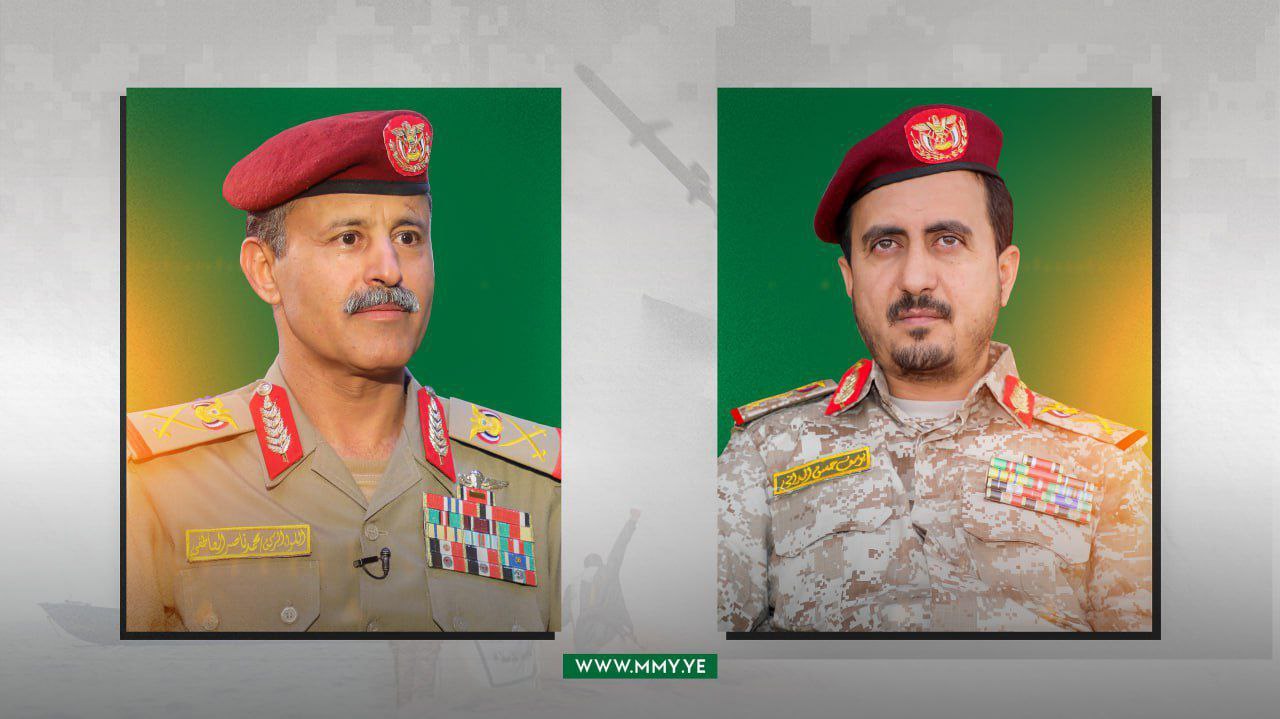
Yemen’s Defense Minister Maj. Gen. Mohammed Nasser al-Atifi and Chief of Staff Maj. Gen. Yusuf al-Madani affirmed that preserving Yemen’s unity, sovereignty, and independence is a form of jihad, warning against any attempt to divide or weaken the country.
In a congratulatory message to fighters on various fronts marking the 36th anniversary of Yemeni unity on May 22, the two officials said the Zionist-American plots and their local allies aim to partition Yemen and seize its resources, linking these efforts to wider regional developments marked by aggression and instability.
They said the Yemeni people, backed by leadership and military forces, remain a strong barrier against the projects of fragmentation and external control.
The officials stressed that there will be no compromise on Yemen’s sovereignty, adding that their position remains firm in supporting oppressed peoples in Gaza, Lebanon, and Iran, and in confronting aggressors until attacks stop and blockades are lifted.
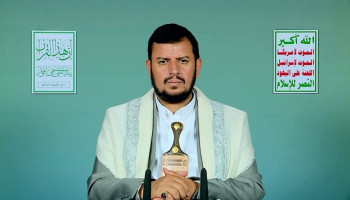
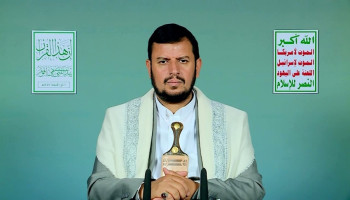
In a separate message to the leader of the Revolution, Sayyed Abdulmalik al-Houthi, they said the era of Zionist-American and British arrogance has ended, affirming Yemeni missile and drone capabilities have established new deterrence equations.
They added that Yemen would continue to confront the Zionist enemy and its supporters, warning that “what is coming is more severe,” and that they would achieve nothing but defeat.
The officials also praised military development and weapons manufacturing efforts, pledging continued readiness until all Yemeni territory is liberated and national sovereignty is fully restored, including the liberation of occupied sacred sites such as Al-Aqsa Mosque.
Yemeni authorities in Sana’a affirm the ongoing aggression as part of a wider regional confrontation that has intensified since the Saudi-led military aggression in 2015, which is an externally driven effort to reshape Yemen’s political structure, weaken its sovereignty, and control its strategic geography and resources.
Within this context, military statements and mobilization are considered as part of an extended resistance doctrine aimed at preserving territorial integrity, countering fragmentation projects, and asserting regional alignment with allied causes, particularly in relation to ongoing wars in Gaza and Lebanon and escalating tensions across the wider Middle East.