
Three years after Operation Al-Aqsa Flood on October 7, 2023, “Israel” faces deepening international isolation over its genocide in Gaza, with arrest warrants against its leaders, diplomatic ruptures, trade restrictions, and mounting boycott campaigns extending into culture and sports.
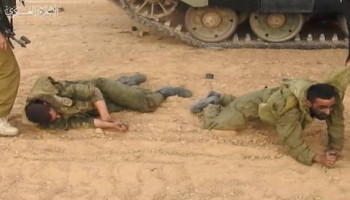
Led by Hamas’ al-Qassam Brigades, Operation Al-Aqsa Flood combined rocket barrages from Gaza with incursions into Israeli military positions, culminating in taking 251 Israelis captive.
The operation was carried out in response to tens of years of occupation, repression, land theft, detentions, killings, and abuse.
“Israel” subsequently launched its devastating war on Gaza and imposed a total siege, cutting off essential supplies to a population already living under blockade. "Israel" has so far reneged on two ceasefire agreements and obstructed every attempt to end the war. The campaign was later determined to constitute genocide by the UN Independent International Commission of Inquiry.
When Benjamin Netanyahu addressed the UN General Assembly on September 24, 2026, dozens of delegates walked out in protest. The spectacle captured a widening diplomatic rejection that Israeli military power has been unable to reverse.
That rejection has developed unevenly. Governments have moved at different speeds, often well behind the demands of protesters and Palestinian advocates. Yet the record across three years shows mounting challenges to the political protection, commercial relationships and institutional legitimacy on which “Israel” relies.
The developments outlined below represent only a fraction of the diplomatic measures, boycotts and solidarity campaigns that have challenged “Israel” over its genocide in Gaza during the past three years.
Source:Websites